

 Author:
Vincent Mijares
Author:
Vincent Mijares
You can hire a Filipino virtual assistant directly or through a managed provider. Hiring directly means writing the role, sourcing and vetting candidates, setting pay (typically $5 to $17 an hour), paying across borders, and handling the paperwork yourself, including Form W-8BEN for a foreign contractor. A managed provider does most of that for you. The Philippines is a strong place to hire: English proficiency ranks 28th in the world, the outsourcing workforce numbers 1.9 million, and a normal Manila workday covers US overnight hours. Delegate places vetted Philippines-based assistants starting at $13 an hour, with recruiting, onboarding, payroll, and benefits included.
More businesses are hiring virtual assistants to take recurring work off their plate, and many of them hire from the Philippines. There are good reasons for that, and there’s a right way to go about it.
The Philippines has one of the largest outsourcing workforces in the world. Its IT and business process management industry ended 2025 with about $40 billion in export revenue and 1.9 million workers, according to industry association IBPAP. English is an official language, and the country scored 569 on the 2025 EF English Proficiency Index, placing it in the “High” band and 28th worldwide.
Two more things matter for US businesses:
There are two ways to hire:
Here’s how the two models compare in detail. The steps below cover hiring directly. The last section covers what changes with a provider.

Start with the work, not the job title. List the tasks you want off your plate, like inbox and calendar management, customer service, bookkeeping, social media, or data entry. These are the tasks founders usually hand off first, and here’s what Filipino VAs commonly handle.
Then decide:
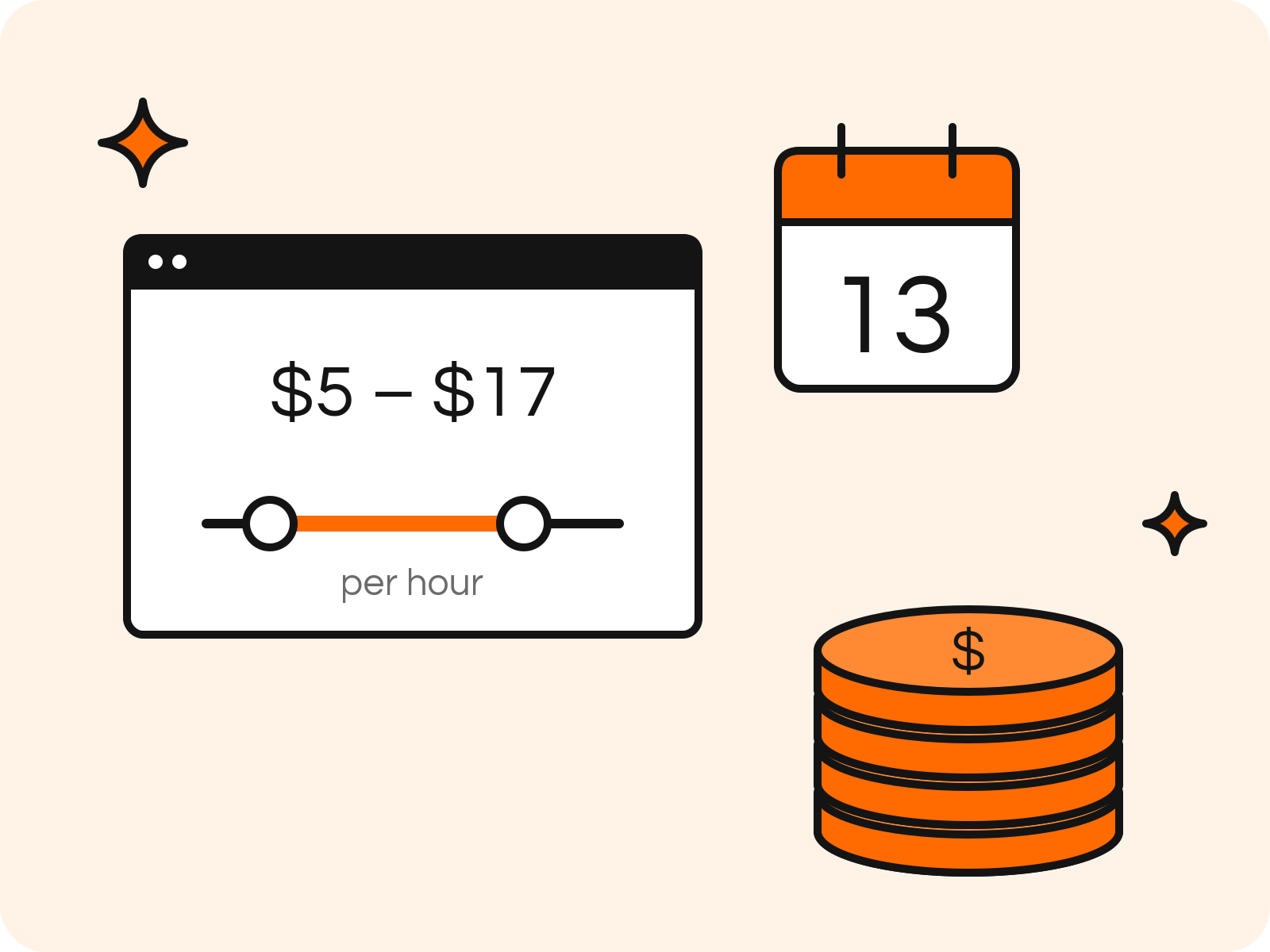
Rates for Philippines-based VAs typically run $5 to $17 an hour, depending on the role, experience, and specialization. Our 2026 pricing guide breaks rates down by role, and this guide covers what to pay a Filipino VA in more detail.
Two things to budget for:
Be wary of rates far below the market. Very cheap help often costs more in rework and turnover.

List the responsibilities, required skills, tools, working hours, and how you’ll measure success. Mention what makes the role worth taking: steady hours, long-term work, room to grow, or a supportive team. Good candidates weigh these as much as the rate.

Post on Philippine-focused job boards, general freelance marketplaces, and professional networks, and ask for referrals from other business owners who hire in the Philippines. Expect a high volume of applications. A short screening question in the job post (“Reply with the word ‘calendar’ in your first line”) filters out people who didn’t read it.

Interviews show you who communicates well. They don’t show you who can do the job. Relying on gut feel is one of the most common reasons remote hires fail.
Add a short paid test task that mirrors the real work, like drafting replies to sample customer emails or cleaning up a spreadsheet. Check references with past clients. Then run a video interview to confirm spoken English and how the candidate handles questions they didn’t expect. Here’s what structured vetting looks like.
Ask about the practical side too: a reliable internet connection, a quiet place to work, and backup power and internet for outages. That last one matters during typhoon season.
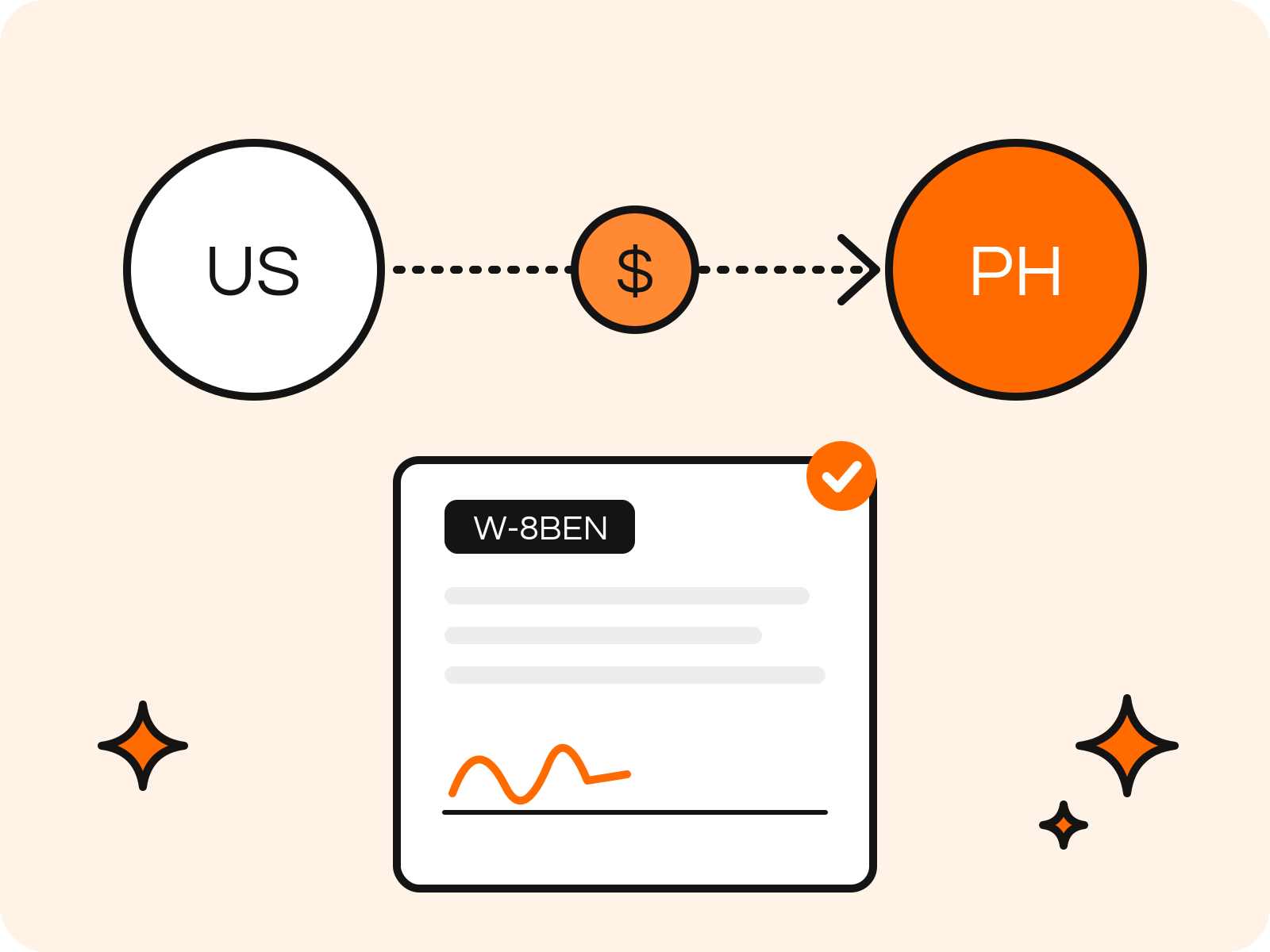
A few rules apply when you hire a Philippines-based contractor directly:
For payment, use an international payroll or transfer service built for cross-border payments, and keep records of every payment. This guide covers how to hire and pay Filipino talent safely. Rules change, so check your setup with an accountant or employment attorney.

The first month decides whether a hire works out. Set up access before day one, explain how you communicate, start with one low-stakes task, and give specific written feedback. This 30-day onboarding plan includes templates for each stage.
Write down each process as you hand it over. Documented SOPs help your assistant work independently and make it far easier to bring on a second person later. And before you share any logins, set up secure, revocable access.
A managed provider takes over steps 3 through 6 and supports step 7. You still decide what work to hand off and review the candidates, but you skip sourcing, screening, test tasks, cross-border payroll, and the paperwork. If the hire doesn’t work out, the provider finds a replacement instead of you starting over.
For short-term rental businesses, this comparison of Philippines-based STR agencies and these nine things to know about Philippines-based STR VAs are good next reads. For a broader walkthrough, see how to hire a virtual assistant in 2026, hiring a virtual assistant from the Philippines, or the top reasons businesses hire remote staff there.
Typically $5 to $17 an hour, depending on the role and experience. Full-time, that’s about $10,400 to $35,400 a year. Managed providers charge more per hour but include recruiting, payroll, and replacement.
Yes. US businesses commonly hire Philippines-based contractors directly. Collect Form W-8BEN, put the arrangement in a written agreement, and keep in mind that Philippine labor law applies to the worker. Check your setup with an accountant or attorney.
Philippine law requires it for rank-and-file employees of Philippine employers. A foreign client hiring a contractor directly isn’t covered, but many offer a year-end bonus because it’s a familiar part of pay in the Philippines.
The Philippines is UTC+8, about 12 to 13 hours ahead of US Eastern time. A standard Manila workday covers US overnight hours, and many Filipino VAs also work night shifts to overlap with US business hours.
Through an international payroll or money transfer service built for cross-border payments. Agree up front on the currency, the payment schedule, and who covers transfer fees.
Hire directly if you have time to recruit, vet, and manage payroll yourself. Use a managed provider if you want vetting, onboarding, payroll, and replacement handled for you.
Hiring directly works, but it takes time: writing the post, sorting applications, running test tasks, setting up cross-border pay, and starting over if the fit is wrong.
Delegate handles those steps for you. We place dedicated, vetted assistants from the Philippines starting at $13 an hour, with recruiting, payroll, and benefits included. Candidates are tested through paid work simulations, and you’ll see up to 5 of them within 7 to 14 days of a kickoff call. Onboarding includes an SOP consultation, and our client success team checks in weekly through your first month. If a hire doesn’t work out, replacement is free for as long as you’re a client.
Book a strategy call and tell us the work you want to hand off first.