

 Author:
Eros Umali
A medical virtual assistant (VA) is a remote worker who handles a clinic’s non-clinical work. That covers four main roles:
Medical VAs don’t diagnose, treat, prescribe, or make clinical decisions. Any VA who handles patient information must follow HIPAA, and clinics should set up contractual safeguards, access controls, and escalation procedures before work starts. For the admin side of a practice, Delegate places dedicated, vetted assistants, starting at $13 an hour, month to month.
Medical practices spend a significant amount of time managing appointments, answering patient inquiries, processing billing information, and maintaining records. These responsibilities are essential, but they can also take time away from patient care. A medical virtual assistant (VA) helps healthcare professionals manage administrative workloads remotely, allowing in-house staff to focus on patients and daily clinical operations.
A medical VA is a remote worker who supports healthcare practices with administrative, documentation, and other non-clinical tasks. Depending on their training and qualifications, a medical VA can work with family practices, dental offices, specialty clinics, and other healthcare providers. If you’re new to the role in general, here’s what a virtual assistant is and why businesses hire them.
Clinics hire medical VAs to manage growing workloads, improve administrative efficiency, and reduce the pressure on front-desk staff. Remote support can also help practices handle patient communications and routine paperwork without immediately hiring additional on-site employees.
However, a medical VA is not automatically a licensed healthcare professional, so their responsibilities must match their qualifications. Common roles include:
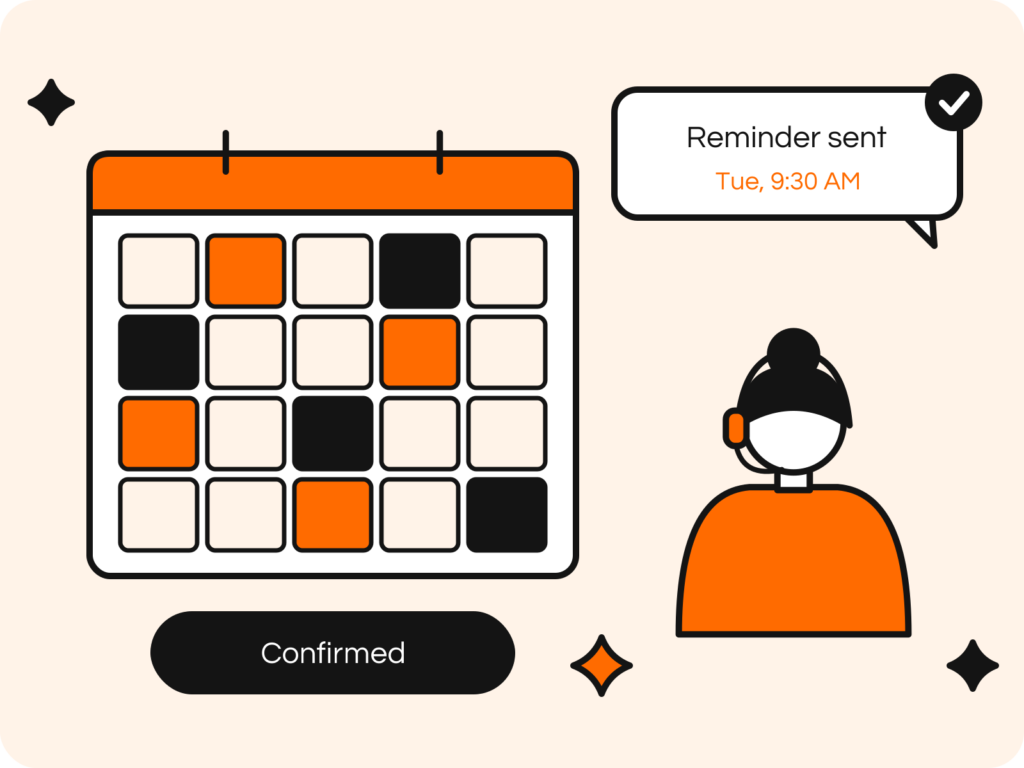
Medical scheduler. They book, confirm, reschedule, and cancel appointments. They may also manage reminders, maintain provider calendars, and coordinate follow-up visits. Effective scheduling helps reduce missed appointments and keeps clinic operations organized. Here’s how one dental practice tackled scheduling chaos.
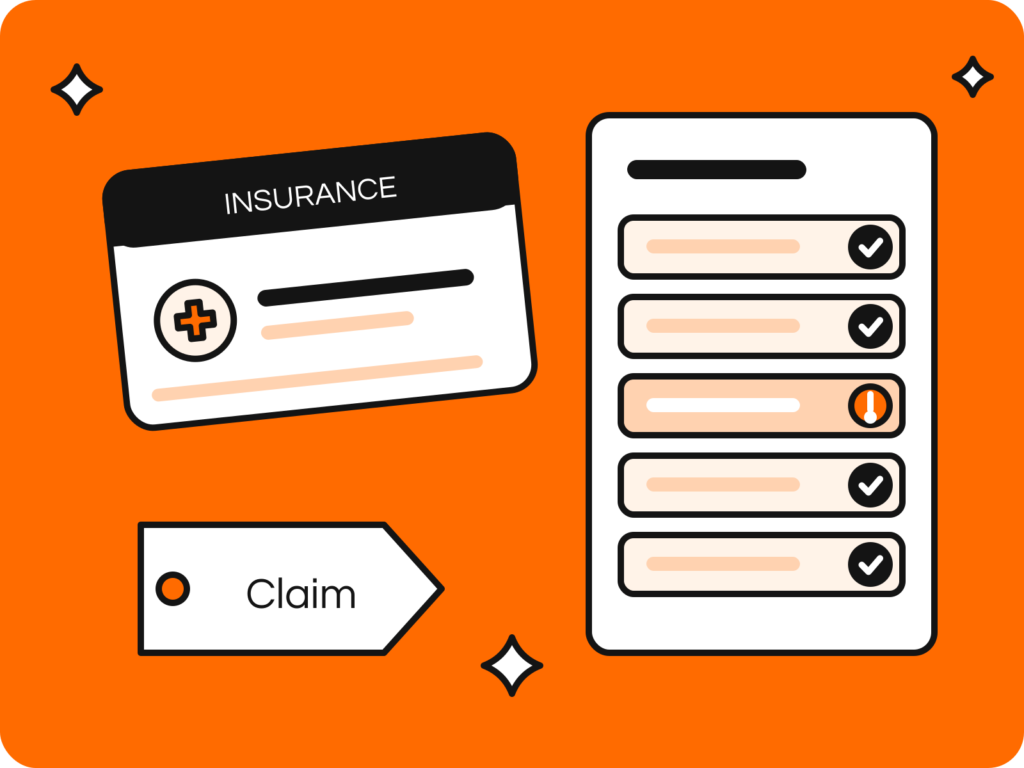
Billing and insurance assistant. This role supports administrative and financial processes, including insurance eligibility checks, claims preparation, payment posting, and tracking unpaid claims. Depending on their training and authorization, assistants may also help organize prior authorization requests and billing documentation. Complex billing decisions and clinical determinations should be escalated to qualified personnel.
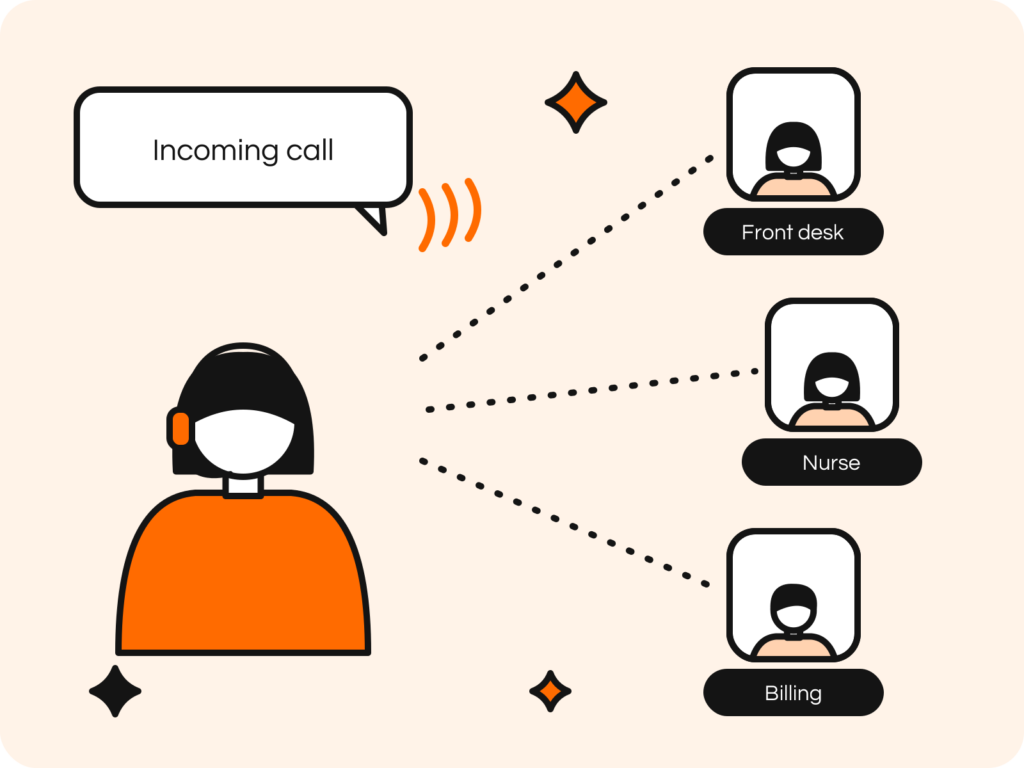
Virtual receptionist. A virtual receptionist handles incoming calls, routes inquiries, responds to routine questions using approved information, and directs messages to the appropriate staff members. They may also assist with patient intake forms and appointment inquiries. Clear communication and appropriate escalation are especially important when patients report urgent matters.
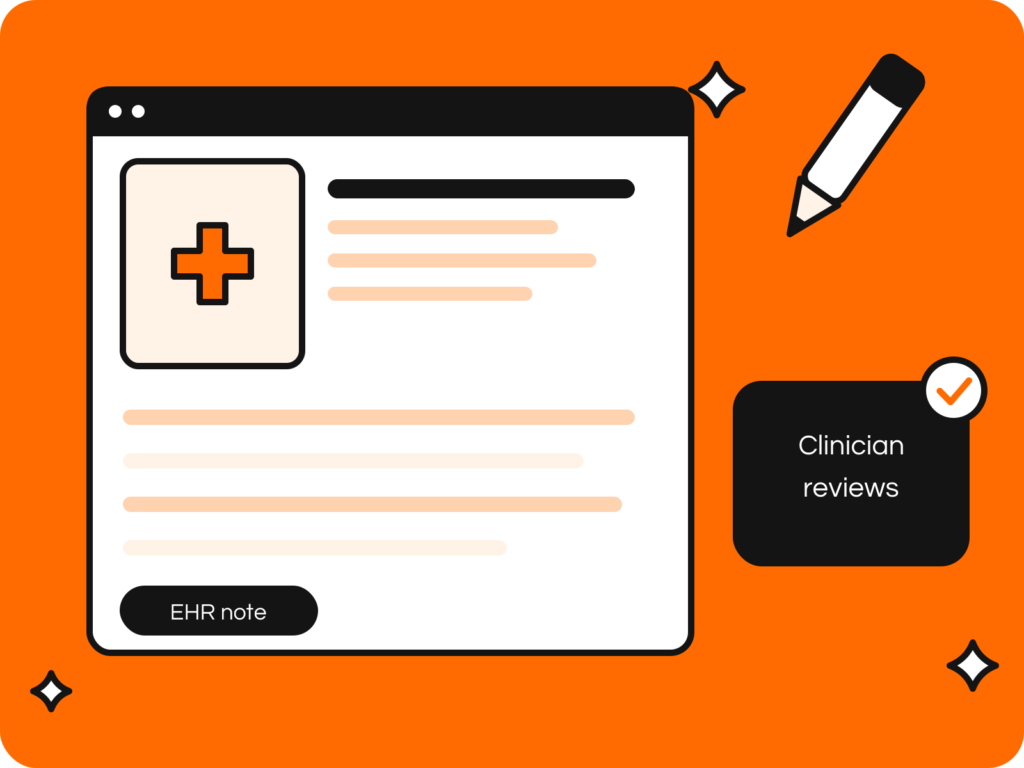
Medical scribe. A medical scribe assists with clinical documentation by recording information provided during a patient encounter into the appropriate electronic health record system. Scribes help organize documentation so clinicians can review and complete their records efficiently. The treating clinician remains responsible for the accuracy and approval of clinical documentation.
These VAs can support scheduling, data entry, patient messaging, billing administration, insurance verification, and documentation under appropriate supervision. They can also organize records and flag incomplete information for review. For a broader look at what remote admin support covers, see 10 things to know about admin support services.
Tasks requiring hands-on care, independent clinical judgment, or a professional license must remain with appropriately qualified healthcare personnel. These include physical examinations, administering injections, performing dental procedures, diagnosing conditions, prescribing medication, and independently making clinical decisions.
Delegation rules vary by jurisdiction and task. Clinics should establish clear responsibilities, escalation procedures, and supervision requirements before assigning work remotely. Written SOPs for onboarding a virtual assistant make those boundaries clear from day one.
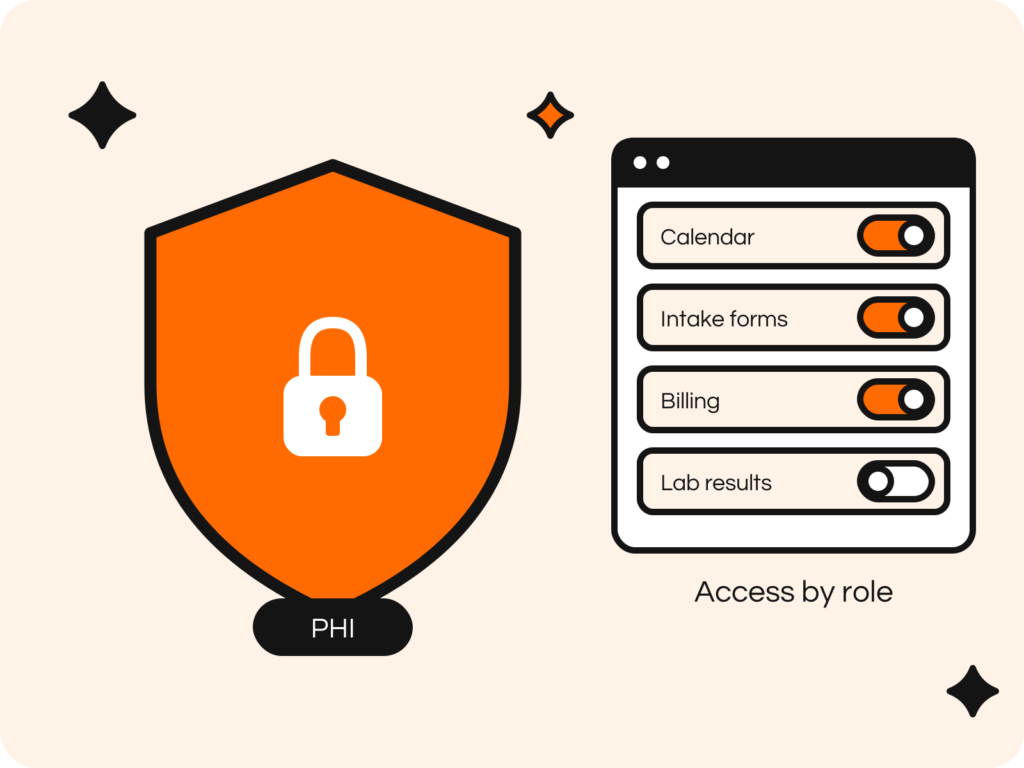
Once their tasks and responsibilities are delegated appropriately, medical VAs who handle patient information must follow the Health Insurance Portability and Accountability Act (HIPAA), a United States federal law passed in 1996. The law protects patients’ health information. Its Privacy Rule governs the use and disclosure of protected health information (PHI), while its Security Rule establishes safeguards for electronic PHI.
VAs may have access to a patient’s personal and contact information, medical history, and insurance records. That’s why it’s a must that VAs follow HIPAA rules.
Clinics should determine whether HIPAA applies to their operations and service arrangements, establish appropriate contractual safeguards, and ensure that remote personnel follow applicable privacy and security requirements. Training alone is not enough; secure systems and consistent procedures are also necessary. These guides cover the practical side:
Before hiring a medical VA, clinics should check for:
It also helps to see how a provider tests candidates before you meet them. Delegate, for example, has every candidate complete paid work simulations, and clinics choose from a shortlist of up to 5. Knowing the red flags to watch for when hiring a virtual assistant helps too, as does a plan to set KPIs and check-ins once your assistant starts.
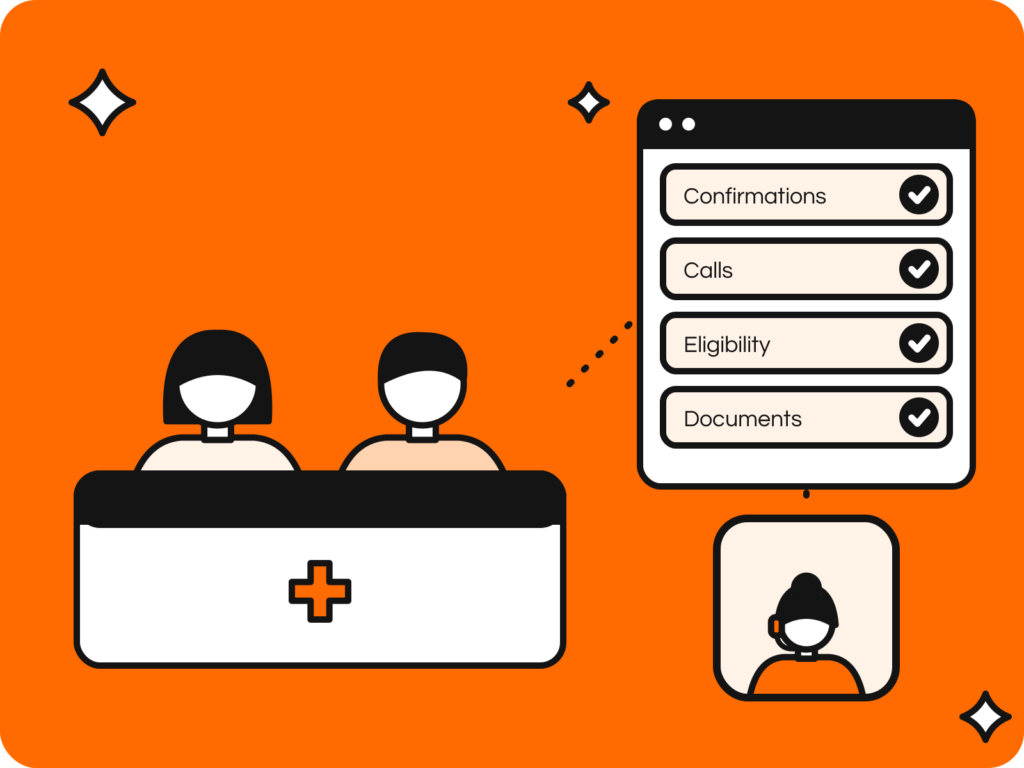
Consider a family practice with one physician, one nurse, and two front-desk employees. During a typical morning, staff may need to answer calls, confirm appointments, check insurance eligibility, process paperwork, and prepare patient records.
A medical VA could handle the appointment confirmations, routine calls, insurance verification, and organizing incoming documents. This would reduce interruptions at the front desk and allow on-site staff to concentrate on arriving patients.
A medical VA may manage appointments, answer calls, verify insurance information, update records, support billing, or assist with clinical documentation.
Yes. A trained medical VA can support specialties such as cardiology, fertility and IVF, and cosmetic dermatology by handling the administrative tasks specific to their workflow.
Many providers recruit assistants who are familiar with electronic health records (EHRs), while others provide additional training for a clinic’s existing systems.
Providers may use HIPAA training, Business Associate Agreements, secure systems, and restricted user access to help protect sensitive patient information.
Pricing varies by provider, role, and service arrangement, with some companies publishing hourly rates and others offering customized quotes. Delegate’s dedicated assistants start at $13 an hour, month to month. For general benchmarks, see how much a virtual assistant costs in 2026.
In the family practice above, the morning rush is mostly admin: confirmations, eligibility checks, paperwork, and the phone. Hand that work to a dedicated assistant, and the phone stops pulling your front desk away from the patient at the window.
Delegate places dedicated, vetted assistants for exactly that kind of admin work. Before your assistant starts, an SOP consultation puts your escalation rules and access limits in writing. You choose from up to 5 candidates within 3 to 5 days, each one already tested through paid work simulations, with only the top 1% of applicants making it through. It’s month to month, starting at $13 an hour, with free replacement while you’re a client.
Which tasks would you take off your front desk first? Bring the list to a discovery call, and the Delegate team will map out what a dedicated assistant would cover.