
 Author:
Blendi Muriqi
To vet an outsourced bookkeeper for a startup, score candidates on five areas: accuracy, judgment, startup experience, communication, and how they handle access and data ownership. To fill in the scores:
Tax filing and tax advice stay with your CPA. Delegate places dedicated bookkeepers who are vetted with real bookkeeping work before you meet them, so the first round of screening is done for you.
Bad bookkeeping rarely looks bad in the first month.
The reconciliation balances. The reports arrive on time. Then a quarter later, an investor asks for your burn rate, and nobody can explain why last month’s revenue doesn’t match what the bank received.
The time to catch that is before you hire. Here’s how to test an outsourced bookkeeper properly.
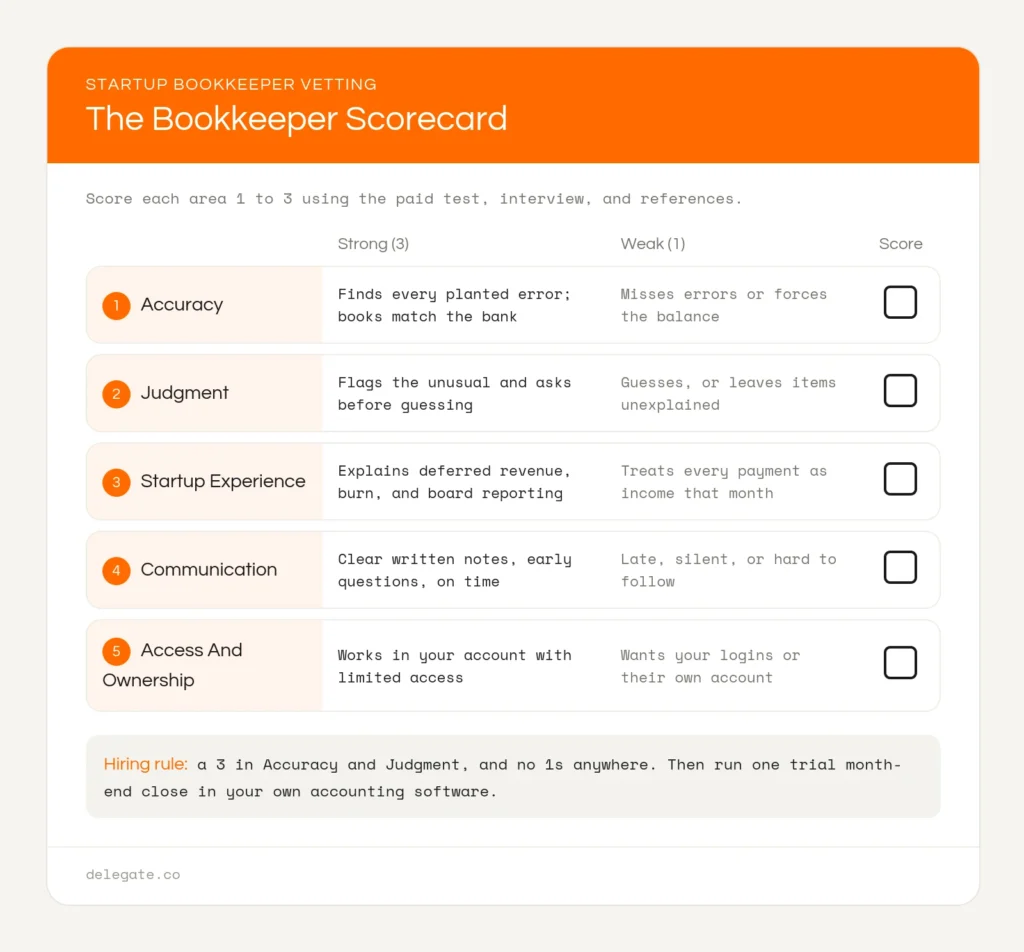
Alt: Startup bookkeeper vetting scorecard with five areas scored 1 to 3: accuracy, judgment, startup experience, communication, and access and ownership
Score every candidate, individual or firm, on the same five areas, from 1 (weak) to 3 (strong).
Hiring rule: a 3 in accuracy and judgment, and no 1s anywhere. A candidate who’s accurate but has poor judgment will hand you clean-looking books with quiet mistakes in them.
Alt: A CPA license card with a verified check badge under a magnifying glass
In the U.S., bookkeepers don’t need a license to keep books. CPAs do, and the title matters if someone claims it.
Ask how many startup clients they’ve worked with, and at what stage. A bookkeeper who has only handled retail or real estate books will need time to learn subscription revenue and investor reporting. Here’s what startup bookkeeping covers.

Alt: A bookkeeping ledger with two planted errors flagged, next to a timer and a paid test tag
This is the step that separates candidates. Keep it to two or three hours, pay the candidate’s normal rate, and use sample data, never your real books.
Send a sample month:
Plant three or four errors:
Ask for two things back: the reconciled month and a short note explaining what they found and what they’d do about it.
How to score it: Count the planted errors they caught. Then read the note. The strongest candidates flag things you didn’t plant, ask a question before assuming, and explain their reasoning in plain language.
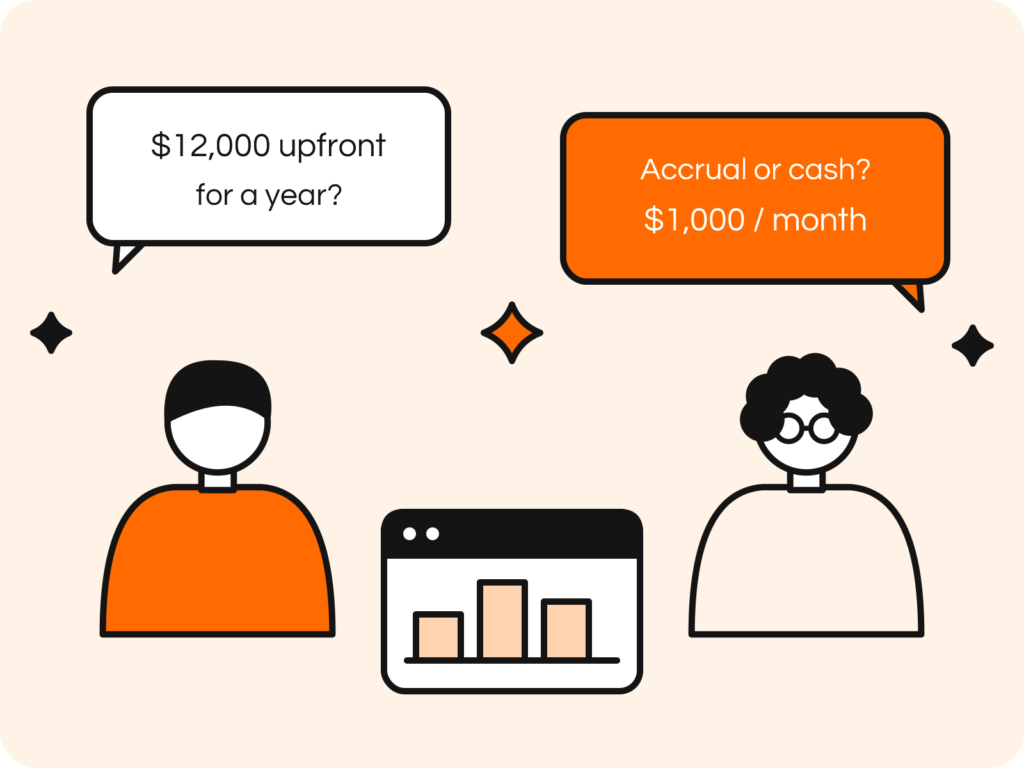
Alt: A founder asking about $12,000 paid upfront for a year and a bookkeeper answering accrual or cash and $1,000 a month
Generic questions get generic answers. Ask about situations a startup bookkeeper actually faces.
Question |
Listen for |
|---|---|
“A customer pays $12,000 upfront for a year of our software. How do you book it?”
|
A question about whether you keep accrual or cash books. On accrual, deferred revenue recognized $1,000 a month.
|
“What’s your monthly close process, and when would we see reports?”
|
A specific day of the month and a checklist
|
“How do you handle a transaction you can’t identify?”
|
A clearly labeled holding account, and a question to you instead of a guess
|
“What would you send us before a board meeting?”
|
A P&L, balance sheet, cash position, and burn, with a short summary
|
“What’s outside your scope?”
|
Tax filing and tax advice going to a CPA
|
“If we stopped working together, how would we get our records?”
|
Records that already live in your account, with nothing to hand back
|
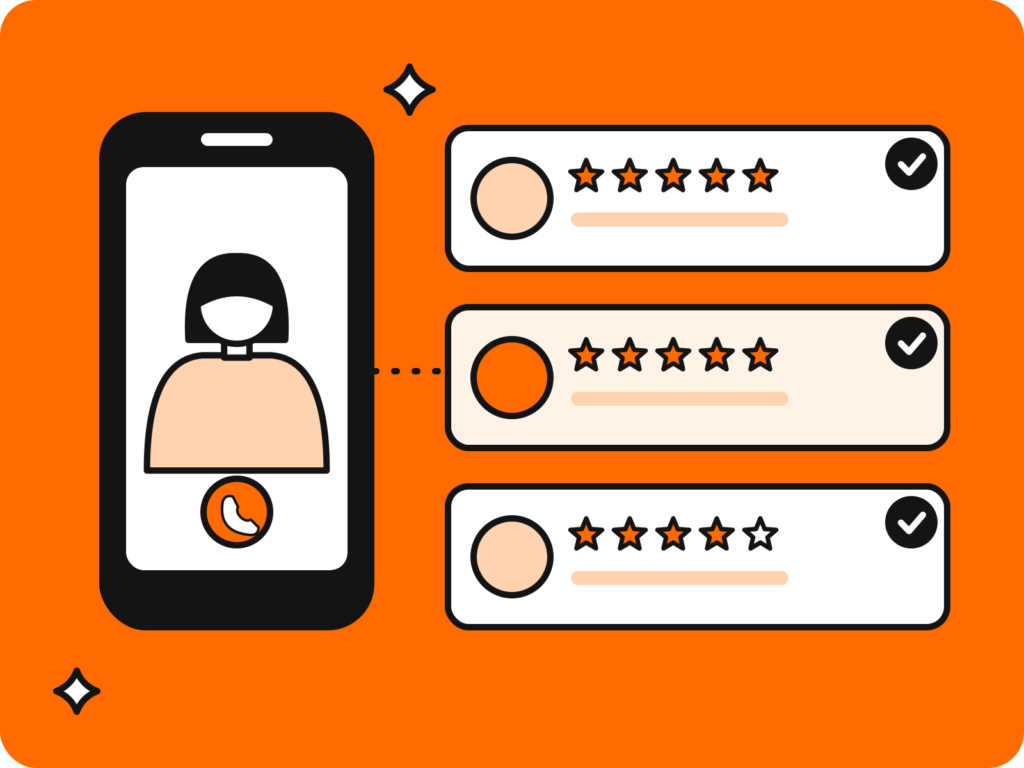
Alt: A phone call with a reference beside three reference cards with star ratings and check badges
Most references say nice things. Ask questions they can’t answer vaguely.
Ask for at least one reference from a client at a similar stage to yours.

Alt: A calendar with month-end circled, a financial report window, and a lock with view-only access
Start with one full month-end close. It shows you everything the interview couldn’t.
Ownership matters more than it sounds. Bench, a large online bookkeeping provider, shut down abruptly in late December 2024 and was acquired days later. Clients whose books lived in Bench’s own platform had to scramble to get their records out. Books kept in your own account are far easier to move. A zero-trust access setup and an offboarding plan protect you either way.
Some answers end the process, however good the rest of the interview went:
Many of the general red flags in hiring apply here too.
The scorecard works for both, but firms need a few extra checks:
For individuals, ask about backup: who covers the close if they’re sick in the last week of the month? For a side-by-side look at providers, see the best startup bookkeeping services compared.
Delegate places dedicated bookkeepers who complete paid work simulations before they’re endorsed, and only the top 1% of applicants get through. You get a shortlist of up to 5 candidates within 3 to 5 days and choose who to interview.
That covers the first round of this scorecard before you meet anyone. You should still run your own trial close in your own accounting software, and keep tax filing and tax advice with your CPA.
If your books need fixing before anyone new takes over, start with a cleanup of your CRM and financial records. For the full hiring process, see how to hire a dedicated startup bookkeeper. For the cost side, read how remote bookkeeping can save your business money and why delegating bookkeeping pays off.
Verify any CPA license, run a paid reconciliation test with planted errors, ask startup-specific questions about subscription revenue and board reporting, check references from similar-stage clients, and start with one trial month-end close in your own accounting software.
A sample month with a bank statement, card statement, payment processor payouts, a payroll summary, and receipts, plus three or four planted errors, such as a missing payout, a duplicate charge, and a miscoded expense. Ask for a reconciled month and a note explaining what they found.
No. In the U.S., bookkeepers don’t need a license to keep books. Anyone who claims to be a CPA should have a license you can verify, and tax filing and tax advice should stay with a CPA.
If they say they’re a CPA, check their license with the Professional Regulation Commission, which offers online verification. For bookkeepers without a CPA license, rely on the paid test, references, and a trial close.
One full month-end close. It shows how they handle real timing, real questions, and real reports, which no interview can.
User access to your accounting software, plus view-only access to bank and card accounts for most work. They rarely need the ability to move money, and they should never have your login credentials.
The goal of vetting is simple: monthly books you can hand to an investor without apologizing.
Delegate shortens the search. Every bookkeeper on your shortlist has already been tested on real bookkeeping work. You choose from up to 5 candidates in 3 to 5 days, at rates starting at $13 an hour, month to month, with free replacement for as long as you’re a client. You run the trial close, and Delegate handles the recruiting, pay, and benefits.
Book a strategy call and bring a snapshot of where your books stand today. You’ll see who’d take them over.