

 Author:
Jan Vega
A virtual assistant can handle most of the recurring work in a short-term rental portfolio, across five phases of each property:
You keep acquisition decisions, financing, pricing approval, and anything involving money or legal commitments. Delegate places dedicated STR assistants and bookkeepers for investors, starting at $13 an hour, with a discounted per-property rate for larger portfolios.
The third or fourth property is often where an STR investor’s time runs out.
One property is a project you can run yourself. By the fourth, you’re answering guests from four listings, tracking four sets of utilities, renewing four permits on four different dates, and trying to underwrite the fifth deal at night. The hours you budgeted for one property don’t stretch to four.
Most of that work repeats. It’s the same tasks in the same order for every property you own, which is exactly the kind of work a virtual assistant can take on. Here’s what that looks like across the life of a property, from the first market search to the annual renewal.
Phase |
What a VA handles |
What you keep |
|---|---|---|
Find
|
Market research, local rule checks, deal sheets
|
Underwriting decisions, offers, financing
|
Launch
|
Listing setup, vendor onboarding, permit tracking, guidebook
|
Final listing approval, vendor contracts
|
Operate
|
Guest messages, turnovers, reviews, pricing research
|
Pricing decisions, refunds, disputes
|
Report
|
P&L by property, reconciliations, tax tracking, partner updates
|
Approvals, distributions, tax filings with your CPA
|
Renew
|
Renewal calendar, document collection, annual review prep
|
Hold, sell, or reinvest decisions
|

Before you buy, a VA can do the research that takes the most hours and the least judgment.
You keep: the underwriting, the offer, financing, and the decision to buy. A VA can prepare the numbers, but deciding what they mean is your job.
If you invest across strategies, this guide covers how to choose a VA for each real estate business model.
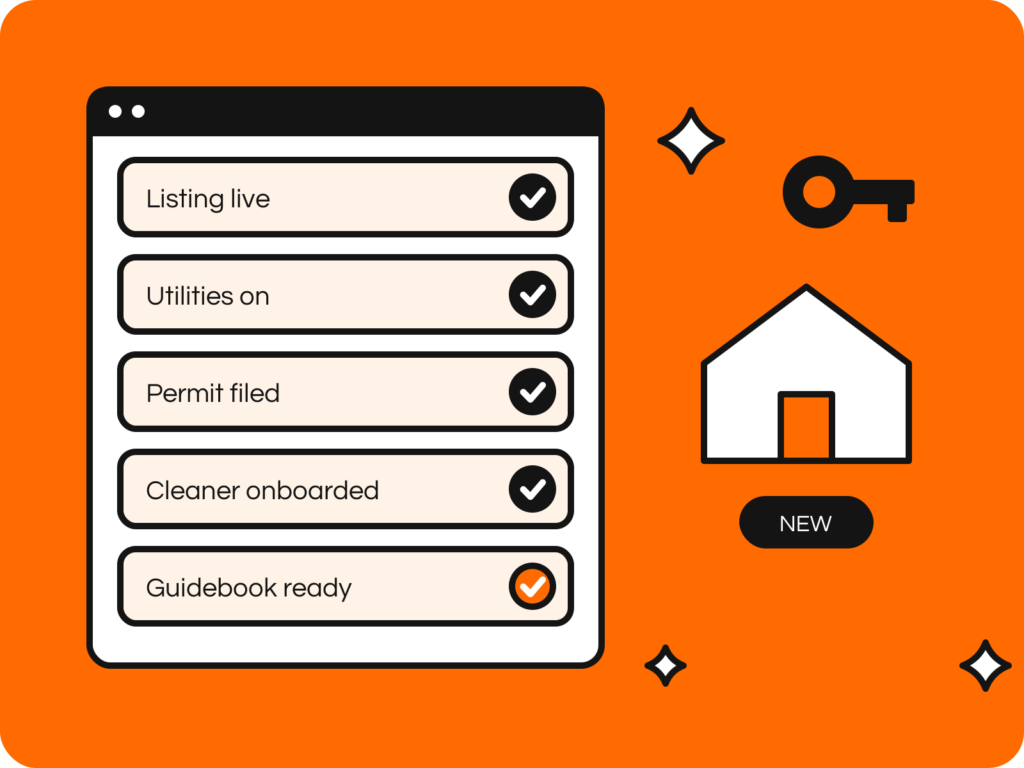
The launch is where investors lose the most weeks. Dozens of small tasks have to happen before the first guest arrives, and most of them can run from a checklist.
A VA can run the launch checklist:
You keep: final listing approval, vendor contracts, and anything that needs your signature.
Each launch gets faster when the checklist is written down once and reused. These SOP templates for STR operators are a good starting point. Delegate’s assistants start with an SOP consultation, so your launch process is documented before the next property closes. Here’s how one STR company scaled without slowing down onboarding, and what a VA can handle in listing optimization.
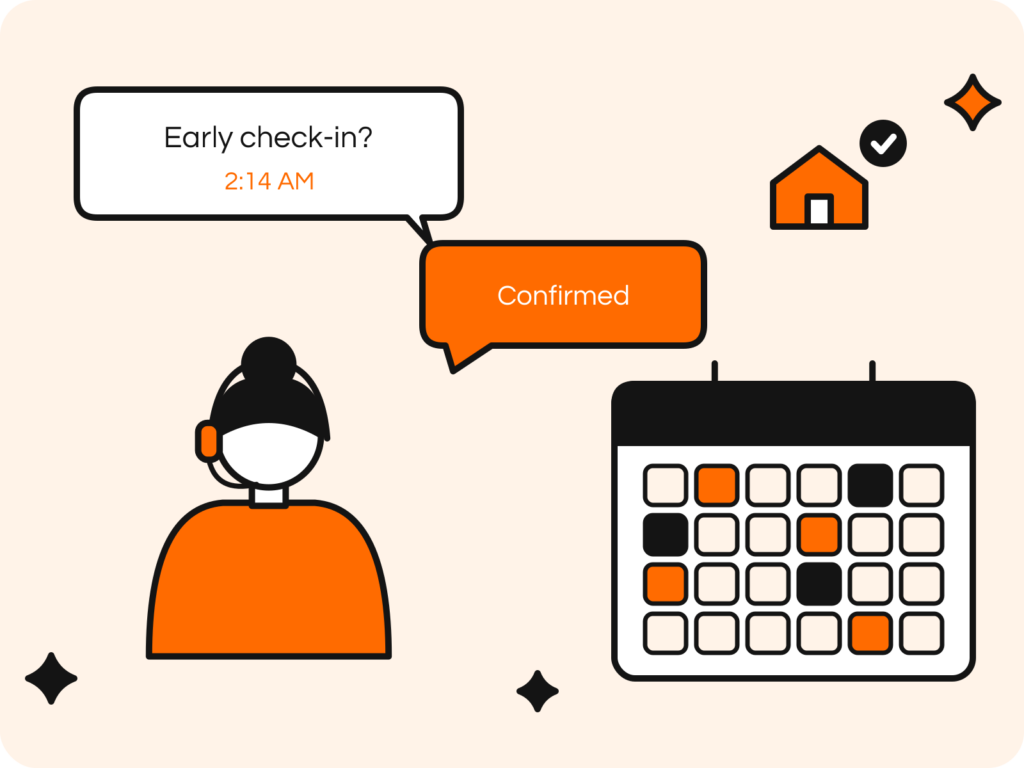
Operations is where most investors hire their first assistant, because guest messages don’t wait.
You keep: price changes, refunds, and any dispute involving money.
Here’s how one two-person team got their sanity back across 28 rentals.

Investors need to know which properties are performing, and partners or lenders may ask for the numbers too.
You keep: approvals, distributions, and tax filings with your CPA.
As the portfolio grows, this phase usually becomes its own role. These guides cover bookkeeping for multi-property managers and virtual bookkeeping services for STR hosts.
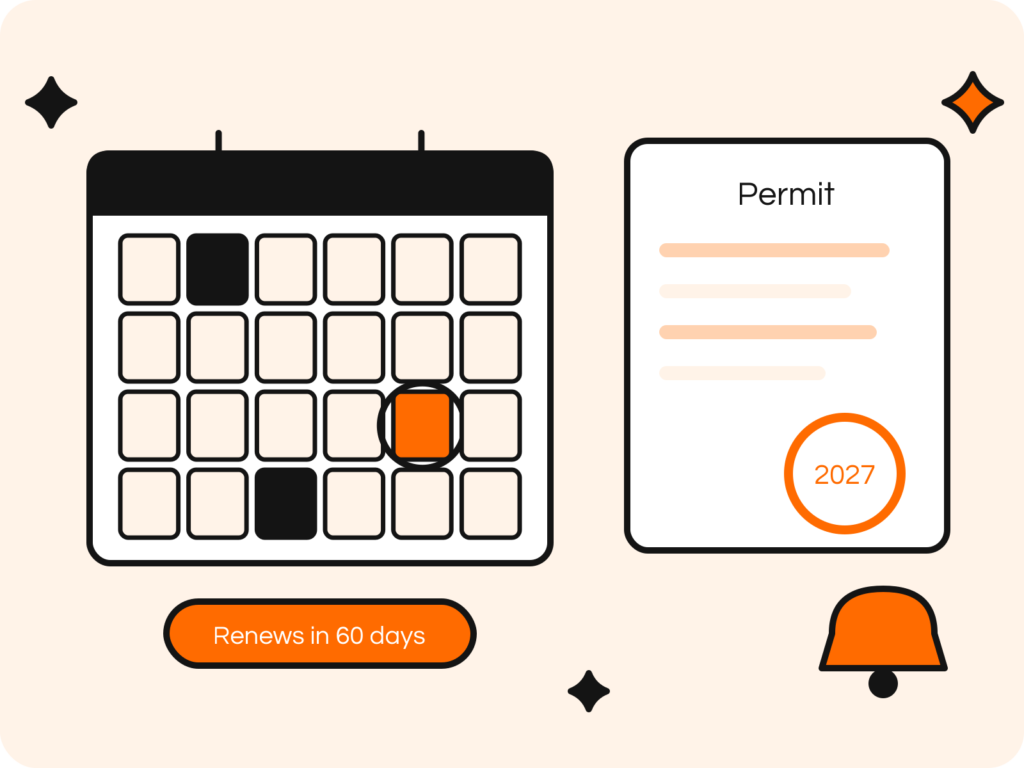
Every property comes with dates: permit and license renewals, insurance renewals, HOA filings, and vendor contracts. Across several properties, those dates fall all over the year.
You keep: the decision to hold, sell, renovate, or reinvest.
The process lives in your head. At one property, you remember which cleaner needs a reminder and where the spare key is. At five, you don’t. Write every phase down as an SOP before the next purchase, and these job description templates can help define who owns what.
One person covers everything. The first assistant often handles guests, turnovers, and admin all at once. When the back office starts slipping, split the work: one assistant on guest support, another on reporting and renewals. Here’s when to hire a second assistant and how to structure the roles.
The books fall behind the operations. Bookings keep coming, so reconciliations get pushed back a month at a time. A dedicated bookkeeper keeps the reporting phase on schedule.
For a wider view of STR assistant options, see the best virtual assistant services for U.S. rental hosts and the skills to look for in an STR VA.
A VA handles the recurring work in each phase of a property: market research and deal sheets before you buy; listing setup, vendor onboarding, and permit tracking at launch; guest messages, turnovers, and reviews during operations; per-property reporting and tax tracking; and renewal calendars. You keep acquisition, pricing, and financial decisions.
Yes, with the research. A VA can pull comparable rates and occupancy, summarize local short-term rental rules, and build deal sheets in your format. Underwriting, offers, and financing stay with you.
Usually when guest messages and turnovers start crowding out time for the next deal. That’s often around the third or fourth property, or sooner if you’re launching properties back to back. These nine bottlenecks are common signals.
A VA or bookkeeper can track which properties need taxes collected or filed outside the platform, and keep records organized. Airbnb collects and remits certain taxes only in some locations, so confirm your obligations for each property with your CPA.
Delegate’s dedicated STR assistants start at $13 an hour, and larger portfolios can get a discounted per-property rate. This guide covers STR assistant pricing and vetting.
Every property you add brings the same five phases with it. The work repeats, and repeated work is what an assistant should own, so your time goes to the next deal.
Delegate places dedicated STR assistants for guest support and operations, and dedicated bookkeepers for reporting. Each one starts with an SOP consultation, so every phase of your process gets written down once and reused for every property. You choose from up to 5 candidates within 3 to 5 days, each already tested through paid work simulations, and only the top 1% of applicants make it through. It starts at $13 an hour, month to month, with a discounted per-property rate as your portfolio grows.
See how one 30-property team moved its listings onto Airbnb’s first page. Then book a discovery call and bring your next closing date. You’ll see what an assistant would have ready before your first guest arrives.